
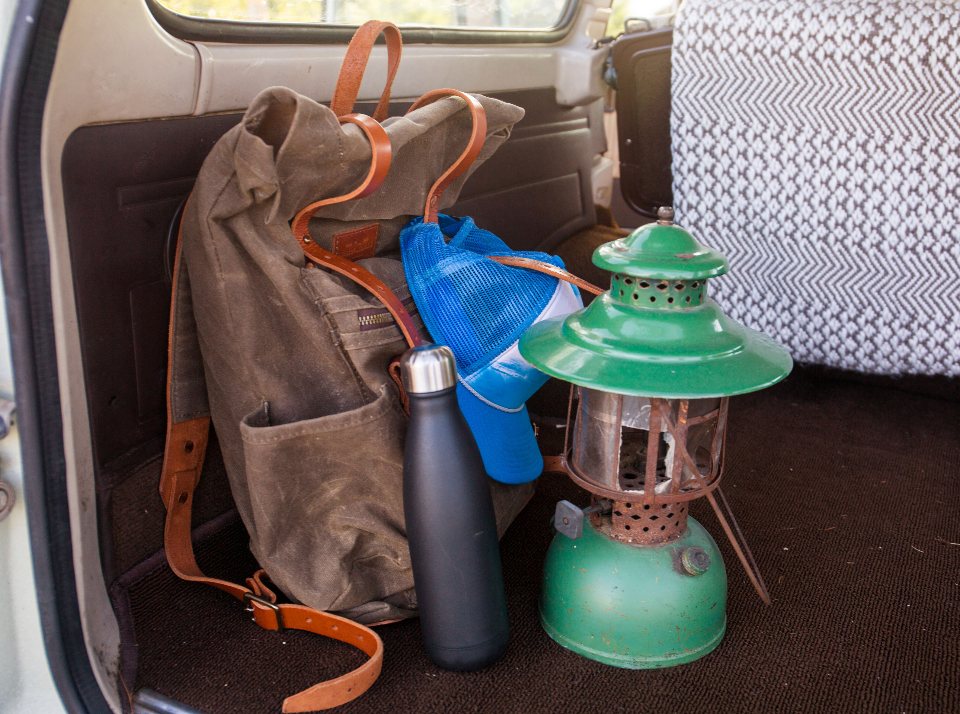
Sooner or later a fire ban lands on your trip. It usually arrives by text message or a sign at the campground gate, a day or two into a dry spell in July or August, and it means the fire ring you booked the site for is now just a circle of stones. It is a disappointment, but it is not the end of the cooking, and it is certainly not the end of the trip. With a decent stove, a bit of understanding of what the ban allows, and a dinner plan that never assumed a fire in the first place, the evening goes on much as it would have. Here is how we prepare for bans, and what we cook when one is in force.
What a fire ban usually means
Bans are set by regional or provincial forest services, park authorities or municipalities, and the rules differ, so read the actual notice rather than relying on what the neighbours say. Most restrictions come in stages. A partial ban typically forbids open fires in the backcountry but still allows fires in the designated metal rings of established campgrounds. A full ban forbids all open flames including wood fires, charcoal and often fireworks, while still permitting gas or liquid-fuel stoves with a shut-off valve, because they can be turned off instantly and produce no embers. In the most severe stage, sometimes called an extreme ban, even stoves may be prohibited outdoors, or use is restricted to bare ground or picnic tables far from vegetation. Some jurisdictions also close entire forests to access at this level.
The ban usually follows a fire danger rating that is updated daily from temperature, humidity, wind and recent rainfall. Fines for ignoring a ban are substantial in most places and can include liability for suppression costs if a fire escapes, which is a bill nobody wants. Check the rating before you leave and again each morning, because bans can start mid-trip and can be lifted after a good rain.
The stove that makes a ban a non-event
A two-burner propane stove is the workhorse of car camping. It runs on the small green cylinders or, with an adapter hose, on a refillable 5 or 9 kg tank that will power a family kitchen for a full week. Each burner produces enough heat to boil a litre of water in about four minutes and can be turned down to a genuine simmer, which is more than a campfire ever offers. Bring a windscreen, because even a light breeze robs a stove of a third of its heat, and set it on a level table or flat rock, not the ground, where dry grass and needles gather.
For backup, a small single-burner canister stove weighs almost nothing and boils water for coffee in three minutes. Liquid-fuel stoves that burn white gas are more work to prime but perform better in cold weather. Whatever you carry, check that it is allowed at the current ban level and keep a full spare cylinder in the car, because running out of fuel on the second evening of a ban is the one scenario with no easy fix. A pot with a lid, a frying pan, a kettle and a heat diffuser complete the kit.
Rules that apply even with a stove
During a ban, treat the stove as the open flame it is. Clear a space at least one metre (about three feet) around it, keep a full water container beside it, and never leave it burning unattended, even to fetch something from the tent. Do not use it inside a tent or a closed vehicle; carbon monoxide from a burning stove is invisible and can kill in a confined space. Turn it off between courses rather than leaving a burner on low. Smoking rules are usually tightened as well, and charcoal barbecues are almost always included in the ban even if they have a lid. Candles, citronella coils and lanterns with open flames are often forbidden too, so a battery lantern belongs in the kit.
A no-fire dinner plan that does not feel like a compromise
The trick is to plan at least half of the trip’s dinners around the stove from the start. Then a ban only cancels the marshmallows. These are the meals we cook when there is no fire, and they are as good on any evening:
- One-pot pasta: dried pasta simmered in just enough stock to cover it with garlic, cherry tomatoes and a handful of spinach stirred in at the end, finished with parmesan.
- Skillet tacos: pre-cooked minced meat or spiced beans reheated with peppers and corn, served in warmed tortillas with cheese and salsa.
- Curry from a jar or a home-made paste with a can of coconut milk, chickpeas, sweet potato cubes and quick-cook rice on the second burner.
- Fried rice with eggs, frozen peas, leftover vegetables and soy sauce, the dish that turns the last of the cooler into dinner.
- Cold night salad: couscous soaked in hot water for five minutes, tossed with cucumber, feta, olives, tinned tuna and lemon.
Each of these feeds four in under thirty minutes on a two-burner stove and uses one or two pots. Dessert without a fire is just as easy: bananas split lengthways and filled with chocolate, wrapped in foil and warmed in a covered frying pan for five minutes, or pancakes cooked after dinner and eaten with jam.
Evenings without a fire
The hardest part of a ban is not the cooking but the evening, because the fire is where a family gathers. A battery lantern in the middle of the table does some of the same work, and a small string of lights makes a site feel welcoming after dark. This is the night for the card games, the storytelling round, a walk to see the stars with the headlamps off, or a bat count at the edge of the campsite. Very dry, hot weather also usually means clear skies, so the trade is not bad at all.
Prepare before the trip, not at the gate
A little preparation removes all the stress. Check the fire danger rating for the region two days out and on the morning of departure. Pack the stove and a spare fuel cylinder whether a ban is forecast or not. Write the menu so that fire-dependent meals, the Dutch oven cobbler and the foil packets, are scheduled early in the trip when bans are least likely to have started, and stove meals fill the later nights. Bring the lantern and the games regardless. Then, if the notice appears on the gate, the only change is where the pot sits. The dinner is the same, the evening is the same, and the forest you came to enjoy is still standing in the morning, which is the point of the ban in the first place.