
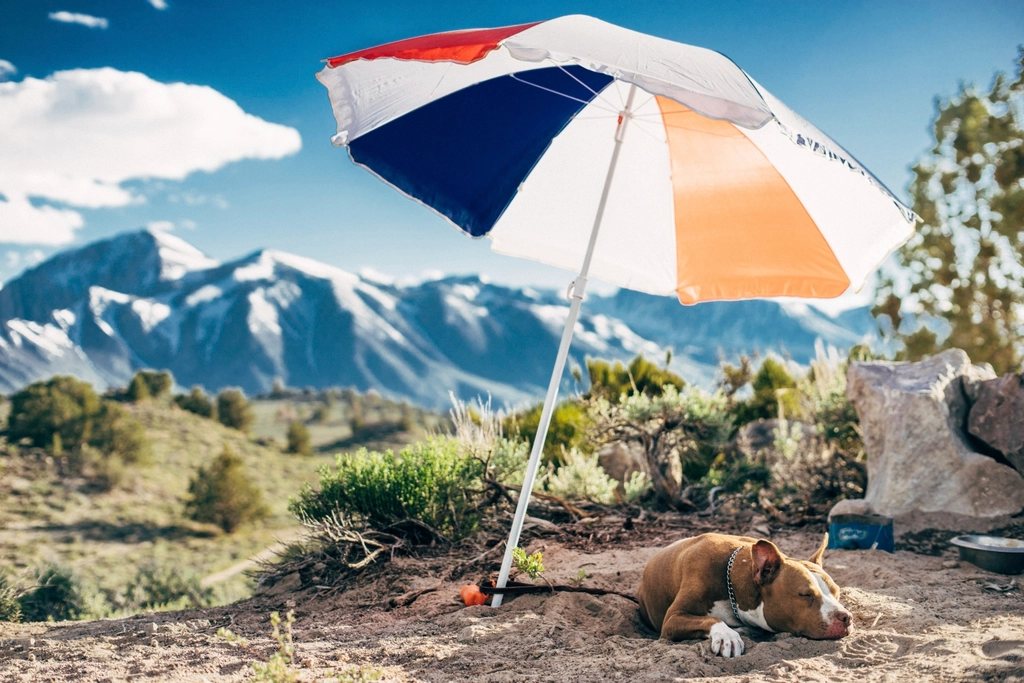
Our dog has slept in more tents than most people we know. She has also eaten a bar of soap, dug a hole under a picnic table and dragged a wet rope through the sleeping bags. Camping with a dog is one of the best parts of the outdoors and also a constant, low-level management job. Here is what we have learned about keeping a dog safe, cool, hydrated and welcome at a campground, and how to make a tent work for a family plus an animal that sheds.
Leash rules are real, and the reasons are good
Nearly every campground and most parks require dogs to be leashed at all times, often on a lead no longer than 2 metres (6 feet), and many have specific beaches and trails where dogs are not allowed at all. This is not bureaucracy. A dog off leash can chase wildlife, get into porcupines, roll in something dead, walk into someone else’s campsite and steal a steak, or simply vanish into the forest after a deer. We have seen every one of these things happen, and some of them to our own dog.
So bring two leashes: a short one for walking and a long line of 5 to 10 metres (16 to 33 feet) for the campsite, plus a stake or a strap for a tree so the dog has room to move but cannot leave. A dog on a long line at the site is calm, watchable and within reach when the neighbours’ children want to say hello. Check the campground’s specific rules when you book; some restrict dogs to certain loops and a few do not allow them at all.
Heat is the biggest danger, and it comes fast
A dog cannot sweat and cools mostly by panting. In a car, in a tent in the sun, or on a hot trail, a dog overheats far faster than a person does. A parked car can reach 40 degrees C (104 F) inside within half an hour on a 25 degree C (77 F) day, and a closed tent in direct sun heats up nearly as fast. Never leave the dog in either one.
On hot days we shift the dog’s exercise to early morning and evening, keep her in the shade at camp, and put a wet towel down for her to lie on. Watch for heavy panting that does not settle, thick drool, a bright red tongue, stumbling or lethargy: those are early signs of heat stress, and the response is shade, cool (not ice-cold) water on the belly and paws, and a stop to all activity. Short-nosed breeds, older dogs and very thick-coated dogs are at higher risk. Hot sand and dark rock can also burn paw pads; if you cannot hold your hand on the ground for five seconds, it is too hot for the dog to stand on.
Water: more than you think, and not from the lake
A medium-sized active dog can drink 2 litres (half a gallon) or more on a warm day, and much more on a long hike. Bring the dog’s water as part of the family water plan, not as an afterthought. A collapsible bowl lives in the daypack and comes out at every rest stop.
Streams and lakes look like free water, and dogs will drink from them, but the same parasites that make people sick, such as giardia, affect dogs too. Still, warm ponds in late summer can also hold blue-green algae blooms, which can be dangerous to dogs within minutes of drinking or even swimming. If a lake has a scum, a green film or a posted warning, keep the dog out entirely. Otherwise, filtered or campground tap water in the bowl, and a swim where the water is clear and moving.
Tent life with a dog
A dog in a tent is wonderful and slightly gross. The key is to give the animal a defined place: a foam pad or an old blanket by the door, where wet paws do the least damage and the dog can get out easily. Dry the dog off with a dedicated towel before they come in, every time, and keep that towel in the porch. Clip nails before the trip; a sharp claw goes through a tent floor and a sleeping pad in one stretch.
Size the tent for the dog. A tent sold for three people fits two adults and a large dog. If a child is sleeping in the same tent, add another person’s worth of space. Keep the dog’s leash clipped to something inside the tent overnight if the dog is a bolter, because a zip being opened at 6 a.m. by a sleepy person is exactly when a dog leaves after a squirrel.
Expect the first night to be restless. New sounds, new smells and animals moving around outside will have most dogs up and alert several times. Ours settled by the second night on every trip we have made; a tired dog after a long day of walking helps a lot.
Food, waste and wildlife
Dog food is food to a bear, a raccoon or a squirrel. It goes in the car or the bear locker with everything else, never in the tent and never in a bowl left out overnight. Feed the dog the same amount as at home plus a little extra on big hiking days, and bring a spare day’s ration.
Pick up after the dog everywhere, including on trails and at the campsite, and put the bags in the garbage rather than leaving them by the trail “to collect later.” Bring more bags than you expect to use. A dog’s waste at a campground is the single fastest way to lose the goodwill of every neighbour within 50 metres.
Keep the dog close at dusk and dawn, when wildlife is most active. A leashed dog next to you is a deterrent; a dog running into the trees after a scent is a problem for both of you.
The dog kit
Beyond the family gear, we pack a small bin just for the dog:
- Two leashes, a long line, a stake and a harness with an ID tag showing a phone number
- Collapsible bowls, the full trip’s food in a sealed container, and treats
- A dedicated dog towel and an old blanket for the tent
- Tick remover, tweezers, a small bottle of saline for washing eyes and cuts, and any medication the dog takes
- A cooling vest or bandana for hot days, and booties if you expect rock or hot ground
- A copy of the vaccination record, which some campgrounds and border crossings ask for
- Poop bags, far more than you think
Check the dog every evening for ticks, burrs and cuts on the paw pads, especially between the toes. Five minutes at the fire with a headlamp catches most problems before they become a vet visit. And a dog that has spent three days walking, swimming, sniffing and sleeping in a tent with the family is, in our experience, the happiest creature on the campground. Second happiest, maybe, after the kids.