
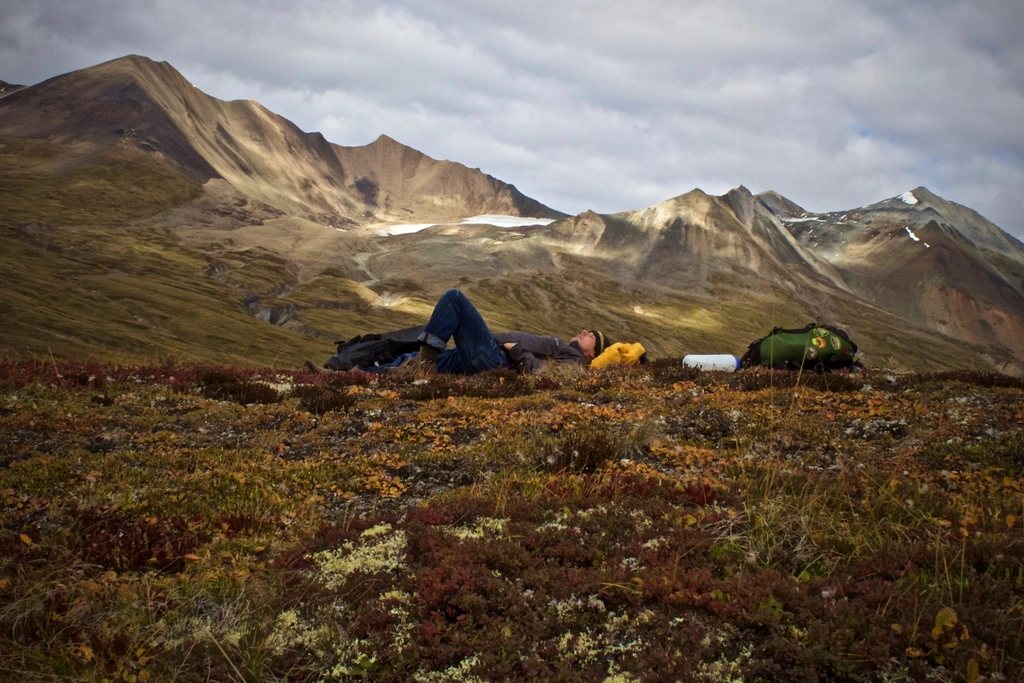
Somewhere around age 13, the child who used to beg to sleep in the tent starts asking if there is signal at the campground. We have been through this with our own kids and watched friends go through it, and the pattern is consistent: teenagers do not stop liking camping, they stop liking being passengers on a trip somebody else planned. The fix is not more activities. It is more responsibility and more room. Give a teenager a real job and a real slice of freedom, and the trip turns from something done to them into something they are part of.
Real jobs, not chores
There is a difference between “help with dinner” and “you are cooking Saturday dinner for six people, here is the budget, plan it.” The first is a chore and gets the eye roll. The second is a job with a visible outcome, and teenagers rise to it far more often than we expect. Our list of jobs that work: running the stove for one full meal, owning the fire from lighting to putting it out, being the navigator for the drive in, managing the water supply, or being the person who sets up and takes down the tarp shelter. Each one has a clear start, a clear finish and a result everyone can see.
The key is to actually hand it over. If you hover, correct the pan temperature and re-tie the tarp line, you have taken the job back. Let the pasta be slightly overcooked. Let the tarp sag a bit. The lesson lands better than the perfect result would.
Let them plan a piece of the trip
Before we book anything now, each kid gets a piece of the plan to own. One picks the day hike from a map and a guidebook and has to present the distance, the elevation gain and how long it will take. One plans two meals and writes the shopping list. One is in charge of the evening entertainment: cards, a game, a night walk, whatever. Small stakes, but they are choosing, and a person who chose the hike does not complain about the hike, or at least complains differently.
This also solves the “what are we even doing here” problem. A teenager with an itinerary they helped write knows exactly what is happening tomorrow and why.
Freedom with a perimeter
Most campgrounds are safe places to let a teenager roam. A loop road, a beach, a trail to the lookout, the camp store: these are exactly the sort of low-risk independence that is hard to find at home. We set a perimeter and a check-in time rather than a leash. “Anywhere inside the campground, back by 9 p.m., tell us if you leave the loop.” A cheap pair of walkie-talkies with a range of a few kilometres does the job where there is no phone signal, and the kids treat them as a toy rather than a tracking device.
The bigger version of this is a solo or sibling micro-adventure: let the 15-year-old and the 13-year-old walk a marked 5 km (3 mile) trail together while you sit at camp with a book. Give them a map, water, a whistle and a return time. For a lot of teenagers this is the first time an adult has trusted them with a piece of the outdoors on their own, and they remember it.
Their own tent, and their own hours
If there is one piece of gear that changes the mood of a teen trip, it is a second tent. A basic two-person tent gives a teenager a room of their own, a place to read, sulk, talk to a sibling or simply not be next to a parent. It also means their late night and your early morning can coexist. We pitch the kids’ tent within sight but not within whispering distance.
Go easy on the schedule too. A teenager who has been in school all week does not want a 7 a.m. wake-up call at the campground. Let them sleep; make breakfast something that can wait, like oatmeal that can be reheated, or a self-serve spread. The rule at our camp is that nobody is woken up unless we are leaving for a hike with a real time constraint, and that hike was on the plan they helped write.
Phones: rules that survive contact with reality
We tried the total phone ban. It lasted one trip and turned every evening into a negotiation. What works better for us is a simple structure: phones are fine in the car, in the tent and during downtime, and they stay in a bag during meals, hikes and around the fire. Bring a power bank with at least 20,000 mAh for the whole family, which is enough to top up several phones over a weekend, and decide in advance who is in charge of it. If the campground has no signal, so much the better. Say so before you leave, so nobody is surprised at the gate.
The counterintuitive thing we have noticed is that teenagers with a job and a perimeter reach for the phone far less. Boredom is what drives the scrolling, and a person who has to get the fire going before dark is not bored.
Bring a friend, and expect a different trip
The single most effective move is letting your teenager invite one friend. Two teenagers at a campsite entertain each other, cook together, take on the walk to the lookout together and generally need you for very little beyond driving and food. It changes the social maths of the whole trip. Make sure the friend’s parents know the plan, the dates and what the kids will be doing, and have the friend bring their own sleeping bag and pad.
The things we have found matter most on a teen trip, in rough order of importance:
- A job with a visible result for each teenager, handed over fully
- A piece of the plan they chose themselves
- A perimeter and a check-in time instead of constant supervision
- Their own tent, and mornings that start when they wake up
- A phone rule that is simple enough to actually hold
- Food in quantities that reflect how much a 16-year-old eats, which is roughly twice what you packed
The payoff comes later. A kid who ran the stove at 14 and led a hike at 15 is a kid who, at 19, borrows the tent and goes camping with friends without being asked. That, as far as we are concerned, is the whole point.