
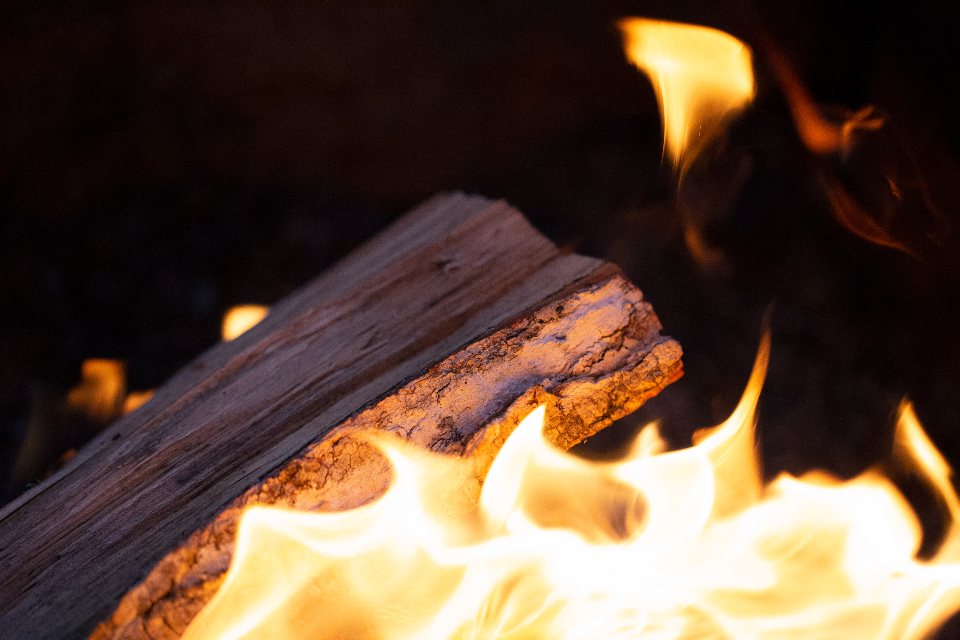
Foil packets are the most promised and most disappointing meal in camping. The idea is perfect: chop everything, wrap it, drop it on the coals, eat. The reality, for many first-timers, is a packet that is charred to the foil on one side and crunchy raw potato on the other. We have made every one of those mistakes, and the fixes turn out to be simple. It comes down to cutting food to match its cooking time, sealing the packet so it steams, placing it on coals rather than flames, and turning it. Get those right and foil packets become the easiest, least messy dinner you will cook all summer.
Why packets fail, and the physics behind the fix
A foil packet is a tiny steam oven. The food inside cooks in the moisture it releases, plus whatever liquid or fat you add, at a temperature that hovers around boiling. That is gentle, even heat, and it is why the method works at all. Problems start when the packet leaks steam through a bad seal, dries out and starts to fry instead; or when it sits on open flames that heat one side far beyond what the steam can even out; or when the ingredients need wildly different times, so the sausage is done long before the carrots. Every technique below exists to protect that steam and to make the contents finish together.
Cut for time, not for looks
Dense foods need to be small; quick foods can stay large. Potatoes, sweet potatoes, carrots and beets should be cut no thicker than 1 cm (about a third of an inch) or, better, parboiled at home for five minutes and cooled in the cooler. Onions, peppers, zucchini, mushrooms and corn kernels can be chunky. Precooked sausage, cooked chicken or fish fillets go in whole because they only need heating through and a little colour. If you are using raw chicken, cut it into pieces no larger than 2 cm (three quarters of an inch) so it reaches a safe temperature at the same moment as everything else. Frozen vegetables work surprisingly well and need no prep at all, though they release extra water, so add a little less liquid.
Build and seal the packet properly
Use heavy-duty foil, and use two layers. Tear off a sheet about 45 cm (18 in) long, lay a second sheet on top, and pile the food in the centre in a single, flat layer no more than 3 cm (a little over an inch) deep. A thick mound cooks unevenly, so make two packets for a big serving rather than one enormous one. Add fat and liquid: a tablespoon of oil or a knob of butter, plus a splash of stock, wine, beer, citrus juice or plain water. Season generously, because steam mutes salt. Then bring the long edges together over the food and fold them down three times in tight 1 cm folds, and fold each open end over three times the same way. You should have a flat, sealed pillow with some room inside for steam to circulate. Do not wrap it tight like a present; that traps no air and tears the foil when it puffs.
Coals, placement and the turn
Packets go onto coals, never into flames. Let a hardwood fire burn down to a bed of glowing embers with a coat of grey ash, or use charcoal that has turned white at the edges. Rake a flat, even layer about 5 cm (2 in) deep and set the packets on top, folded seam upward so nothing leaks. If your fire ring has a grate, cooking on the grate over the coals is even more forgiving because the air gap softens the bottom heat. Then turn each packet with tongs every four or five minutes, flipping it over and rotating it a quarter turn, so no single side gets all the heat. A packet that is puffing gently is doing exactly what it should; one that is hissing loudly and smelling of burnt sugar needs to move to a cooler spot right away.
Typical times on medium coals, meaning you can hold your hand 12 cm (5 in) above them for about four seconds: fish and shrimp with quick vegetables, 10 to 12 minutes; sausage with peppers and onions, 15 to 18 minutes; thin-sliced potatoes with anything, 20 to 25 minutes; raw chicken pieces with vegetables, 25 to 30 minutes. Open one packet to check before serving, and if the potatoes resist a fork, reseal and give it five more minutes. Chicken should show no pink and its juices should run clear.
Five combinations we keep coming back to
- Sausage, thin potato slices, red onion, a little mustard and a splash of beer; finish with chopped parsley.
- White fish fillet on a bed of zucchini and cherry tomatoes with lemon slices, olive oil, garlic and dill.
- Chicken thigh pieces with corn, black beans, peppers, cumin, lime and a spoon of salsa; serve in tortillas.
- Halloumi or firm tofu cubes with mushrooms, peppers, soy sauce, honey and sesame seeds over quick-cook rice.
- Sliced apples, oats, brown sugar, cinnamon and butter for a dessert packet that takes ten minutes.
The fifth one is worth remembering on any evening when the children are flagging; it turns a fire that has nearly gone out into a real pudding.
Prep at home, cook at camp
The real secret to foil packet dinners is that most of the work happens in a kitchen. Chop the vegetables, parboil the potatoes, mix a sauce or marinade, and either assemble whole packets and fold them closed or bag each family’s ingredients separately in resealable bags. Assembled packets keep for two days in a cold cooler and travel flat. Freeze a couple for the third night and let them thaw in the cooler; they double as ice on the way. Label everything with a marker so the packet with the chili flakes goes to the person who asked for it. At camp, the only jobs left are lighting the fire, dropping packets on the coals and setting a timer, which is how a dinner for six can be on plates twenty-five minutes after the coals are ready.
Eat straight from the foil if you like, folded back like a boat, or slide the contents onto plates and use the foil to line the fire ring’s rubbish bag afterwards. Either way, there is no pot to scrub, no grease in the washing-up water and no reason not to do it all again tomorrow.