
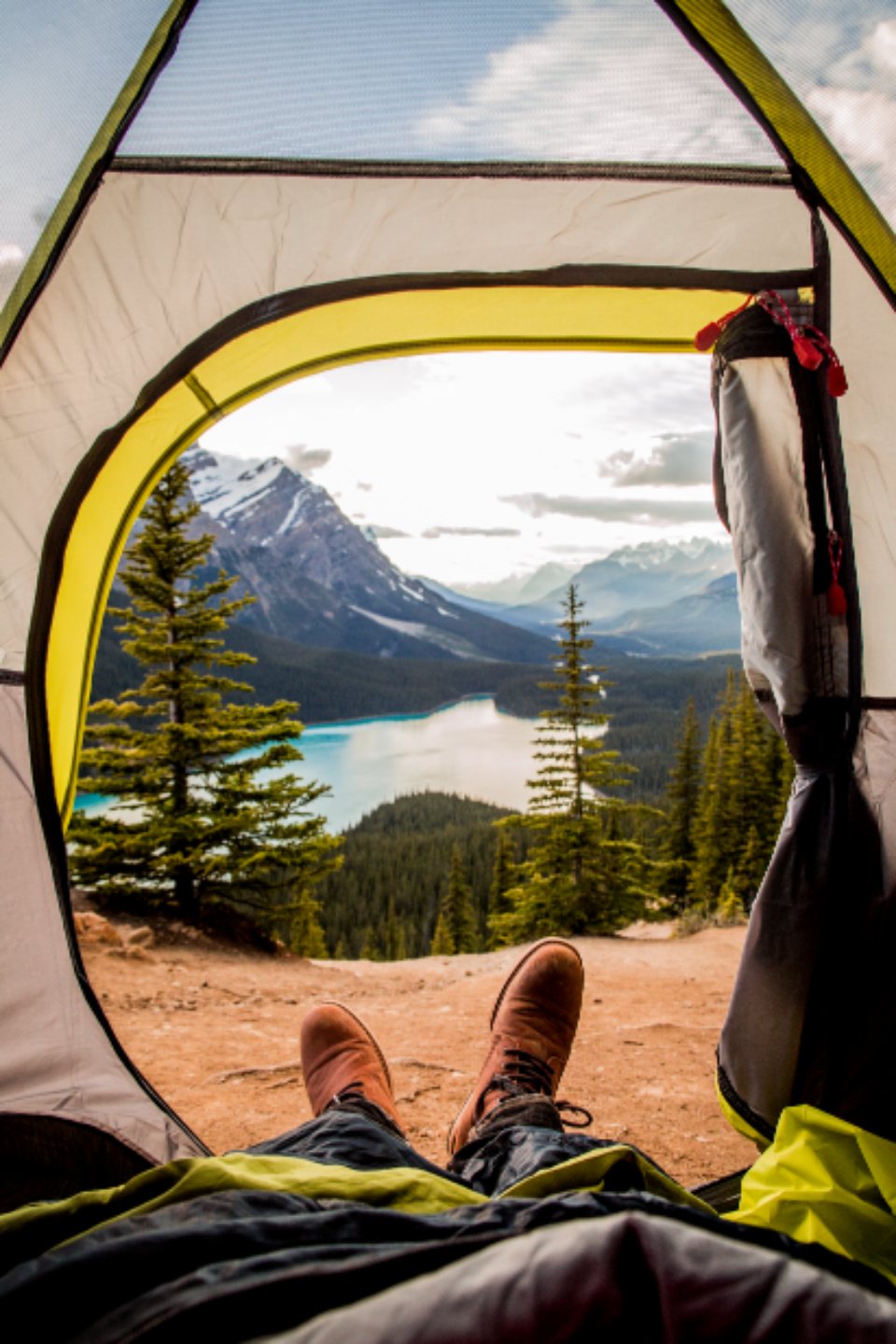
We have a rule for a first camping trip with a toddler: one night, less than an hour from home, and a car that can leave at any moment. That last part is not defeatism. It is the thing that lets you relax. Once you know you can bail at 2 a.m. without ruining anything, the whole trip gets lighter, and strangely, you almost never bail. Here is how we approach that first night with a child between roughly 18 months and 3 years old, what we pack, what we skip, and what we have learned to stop worrying about.
Pick the site for the adults, not the scenery
A toddler does not care about the view. A toddler cares about dirt, sticks, water and other children. What the adults need is a site that keeps the chaos manageable: a flat pitch with no drop-offs, a short walk to the toilets, and ideally no river or lake within a toddler’s sprint. Campgrounds with a fence, a hedge or a natural boundary around the pitch are gold. If you can book a site at the end of a loop rather than beside the main road through the campground, do it, because vehicle traffic is the one hazard you cannot child-proof.
Arrive early, ideally right after lunch. You want the tent up, the bed made and dinner planned before the late-afternoon meltdown window opens. Setting up camp in the dark with an overtired two-year-old is the fastest way to decide you hate camping. Setting up at 2 p.m. while they nap in the car seat is a small joy.
The tent is a bedroom, so build it like one
Our biggest mistake on our first trip was treating the tent like a tent. For a toddler it is a new bedroom, and bedrooms need to feel familiar. We now bring the same sleep sack, the same stuffed animal and the same bedtime book we use at home. If your child sleeps in a travel cot, bring the travel cot: it takes floor space, but it also gives the tent a defined “bed” and stops the roaming at 5 a.m.
Insulation matters more than people expect. Even in summer, the ground pulls heat out of a small body all night. A closed-cell foam pad under the child’s sleeping surface, plus a fleece layer under the sleep sack, makes a bigger difference than any expensive kids’ sleeping bag. Toddlers also kick covers off, so a wearable sleep sack rated for the expected low temperature is far more reliable than a loose blanket.
Go for a bigger tent than you think you need. A tent sold for four people is a realistic minimum for two adults, a toddler and the mountain of gear that comes with them. The extra floor space means you can dress a child inside during rain and keep the porch for muddy boots.
Bedtime will be late, and that is fine
In June and July at northern latitudes, it can still be light at 9:30 p.m. A child who sleeps at 7 p.m. in a dark room is going to look at the glowing tent walls and decide it is playtime. We have tried fighting this and lost. What works better is a shifted routine: a long afternoon of running around, an early dinner, a walk to the washrooms to brush teeth, then into the tent at the usual time with the fly closed and every zip done up. If they take an extra 40 minutes to settle, they take an extra 40 minutes. Nobody else can hear as much as you think.
One real trick: a headlamp on its lowest red setting, hung from the tent ceiling, acts as a nightlight that does not wake anyone and does not attract insects the way a white light does.
Food: simple, fast, and mostly cold
A first trip is not the moment to test the new camp stove recipe. We cook one hot thing, usually pasta or a one-pot rice dish, and everything else is cold and can be eaten on a picnic blanket by hand. Cut fruit, cheese, crackers, hard-boiled eggs made at home, and the snacks you would normally ration a bit less strictly. A toddler eating something outside is a toddler who is not wandering off.
Keep a cooler organised in layers: breakfast on top, dinner in the middle, milk and anything perishable at the bottom against the ice. Frozen water bottles do double duty as ice packs and become drinking water the next day. Bring at least 4 litres (about a gallon) of water per person per day, even at a campground with taps, because you will not want to walk to the tap with a child on your hip at every meal.
What actually goes in the bag
The gear list for a toddler is long, but most of it is stuff you already own. The things we would not leave without:
- Twice the clothes you think you need, in a dry bag, including two warm layers and a rain suit
- A wide-brimmed sun hat with a chin strap, plus a warm hat for the evening
- Closed-toe shoes that can get wet, and a spare pair
- A pack of wet wipes for the whole family, and a bag for the used ones
- A small first-aid kit with children’s pain relief, tweezers, blister plasters and any regular medication
- A familiar cup, bowl and spoon so meals do not become a negotiation
- A cheap folding child’s chair, which is oddly effective at anchoring a wriggly kid at dinner
We skip the toys almost entirely. A bucket, a small shovel and a few cars are plenty. Sticks, pinecones and the campsite gravel do the rest.
Lower the bar, then lower it again
Here is the quiet truth of toddler camping: you will not sit by the fire with a drink and watch the stars. Someone will be in the tent with a child for the first hour of every evening. You will go to bed at 9:30 p.m. because there is nothing else to do and you are tired. The campfire happens for twenty minutes after dinner, with marshmallows, and then it is put out because a toddler and an open fire is a full-time job for one adult.
What you get instead is the morning. A toddler who wakes at 6 a.m. in a tent, unzips the door and sees trees, is a very happy person. Breakfast outside, a slow walk to look at ants, a first swim in cold water: that is the trip. If you leave by noon with everyone still speaking to each other, count it as a complete success and book two nights for next time. Most families we know were back within a month.
Read next: Glamping vs Camping: Which One Fits Your Family Trip?