
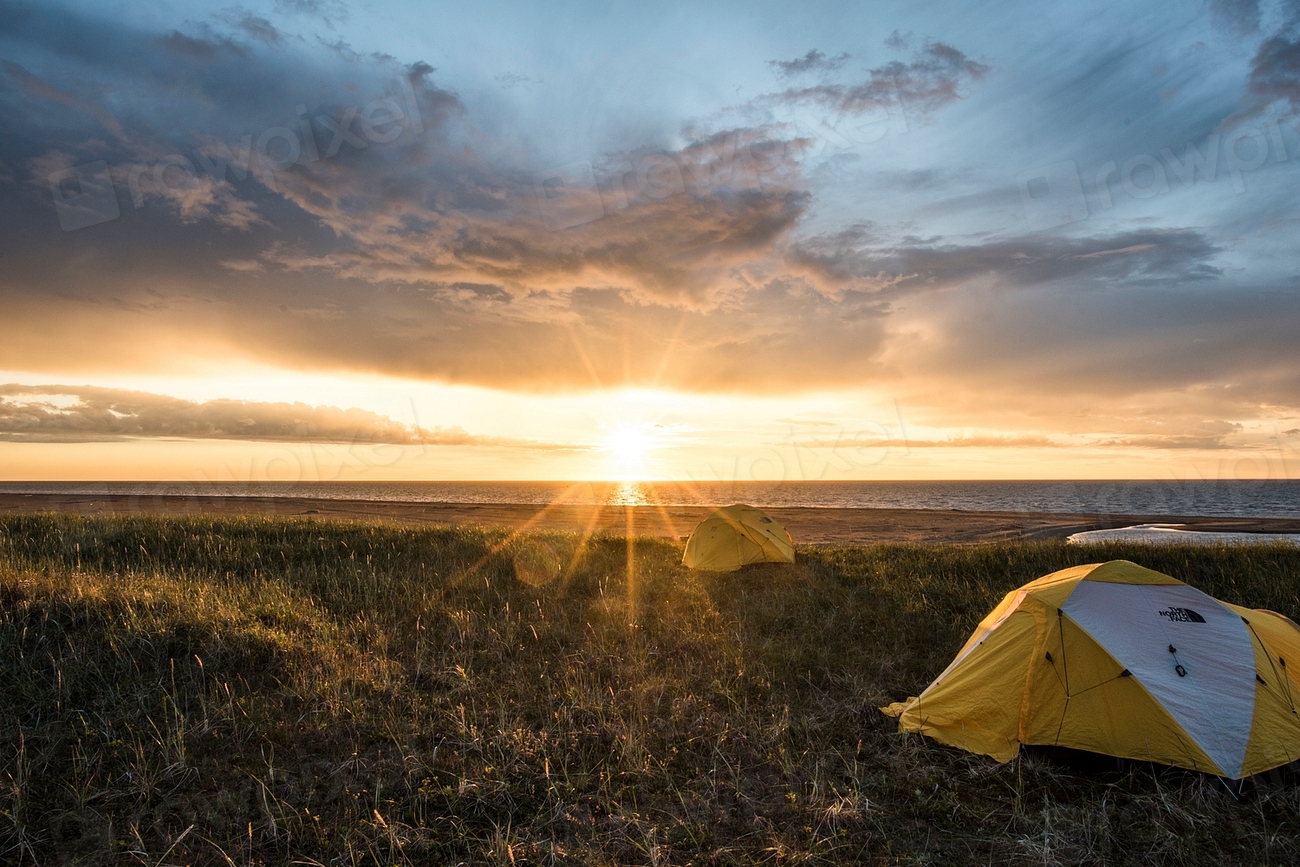
Camping means you bring the shelter and do the work. Glamping means the shelter is already set up, with a real bed and often power and running water. Camping costs less and puts you closer to the outdoors. Glamping costs more and takes the hard parts off your plate.
What is the real difference between glamping and camping?
The word glamping blends “glamorous” and “camping.” It describes a stay in a pre-built shelter in a natural setting.
With camping, you carry everything. You pitch the tent, roll out the sleeping bags and cook over a fire or a stove. Gear is minimal, and so are the comforts.
With glamping, someone else did the setup before you arrived. The shelter might be one of these:
- A safari tent on a wooden platform
- A bell tent
- A yurt
- A cabin
- A treehouse
- A geodesic dome
Most come with a real bed. Many add electricity. Some add heating, air conditioning, a kitchenette or a private bathroom. What you get depends on the site, so read each listing closely.
Your choice is not about which style is better. It is about which one matches the trip you want.
How do the costs compare?
Cost is the clearest split between the two styles.
Camping is the cheaper option. You need a tent, sleeping bags and simple cooking gear. After you own those, each trip costs little more than the site fee.
Glamping charges for the setup, the amenities and the service. Some sources put the starting point at around $100 per night. Some locations cost far more. A few glamping spots can match the price of a hotel or resort.
For a family, the nightly rate is only part of the picture. Add these up before you decide:
- The nightly rate for the whole stay
- Gear you would need to buy or borrow for tent camping
- Food costs, since a stocked kitchen or fridge changes what you can bring
- Travel time to a site that offers glamping
If you already own a tent and a cooler, camping wins on price by a wide margin. If you would have to buy everything, the gap narrows on a first trip.
Which style is more comfortable for sleeping, cooking and washing?
Glamping wins on comfort. That is its whole purpose.
Sleeping
Tent camping often means a sleeping bag on the ground. Glamping gives you a real bed with sheets. Some yurts and domes even let you look up at the stars from bed. If your family struggles to sleep outdoors, this matters more than any other item on the list.
Temperature
In a tent, you control the temperature with small moves. Open or close the flap. Pick a lighter or heavier sleeping bag. Change what you wear. Many glamping shelters have built-in heating and cooling, and some are built to handle any weather.
Cooking and food storage
Camp cooking is part of the fun for many families. Hot dogs, s’mores and Dutch oven meals all work. Glamping makes the job easier. Many cabins and yurts have a grill, an oven or a fridge, so you can store a wider range of food.
Washing and water
Camping often means shared restrooms or very few showers. Glamping sites often give you your own bathroom, a shower and filtered water. With small children, that can decide the trip.
Which one connects your family more with nature?
Tent camping puts you closer to the outdoors. You sleep with the sounds of leaves and birds. You build the fire. You solve small problems yourself. For many campers, that effort is the point.
Glamping gives up some of that. The comforts that make it easy can also take away part of the sense of adventure. If you want an authentic outdoor experience, you may not feel as immersed.
That does not mean glamping keeps you indoors. Many sites sit near forests, lakes or mountains. Many also offer activities such as:
- Nature trails
- Fishing
- Boating
- Hiking
- Horseback riding
- Campfire cooking
You still get the setting. You just get a softer way to enjoy it.
Tent camping also builds skills. Kids learn to pitch a shelter, light a stove and read a map. Glamping builds memories, but it teaches fewer practical skills.
How do you choose, and can you mix both?
Ask a few plain questions about your family.
- Has anyone in your group never slept outdoors? Try glamping first.
- Is the budget tight? Choose tent camping.
- Do you want your kids to learn outdoor skills? Choose tent camping.
- Will the trip fall in very hot or very cold weather? Glamping handles extremes better.
- Do you have limited time and energy for packing and setup? Choose glamping.
Availability matters too. Traditional campsites far outnumber glamping sites. Glamping spots are fewer and may need to be booked well ahead, especially in popular areas. Plan early.
You do not have to pick one for good. Many families do both. A common pattern is to start with a glamping weekend to test how everyone handles a night outdoors. Then move to tent camping once the kids are comfortable. Or do the reverse: camp most of the year and save a glamping stay for cold weather or a special occasion.
One more tip: read the amenity list before you book a glamping stay. “Glamping” covers a wide range. One site may offer a bare platform tent with a bed. Another may offer a full cabin with a kitchen. Confirm what is included so your packing list matches.
Either way, the goal is the same. Get your family outside, together, in a way that everyone can enjoy.
Related reading
- Backyard Camping as a Dress Rehearsal: Test the Tent, the Kids and the Plan Before You Drive Anywhere
- Camping With Your Dog: Leashes, Heat, Water and How to Share a Tent With a Wet Animal
Sources
- Is Glamping Better than Camping? Here’s What the Experts … (westgateresorts.com, accessed 2026-11-04)
Photo: Sun rising, by National Park Service, CC0 1.0 (Rawpixel, via Openverse)